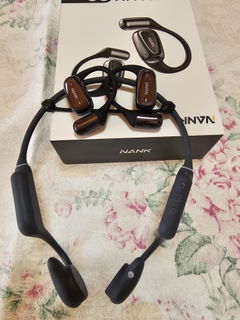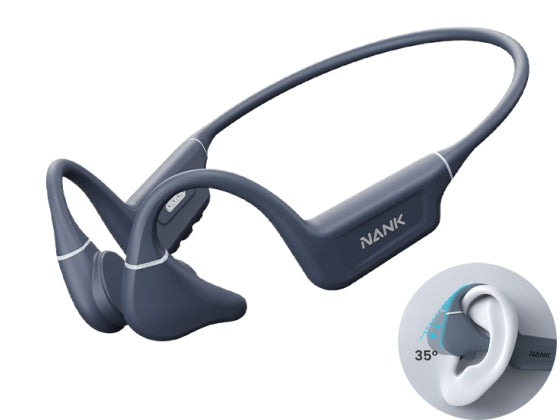
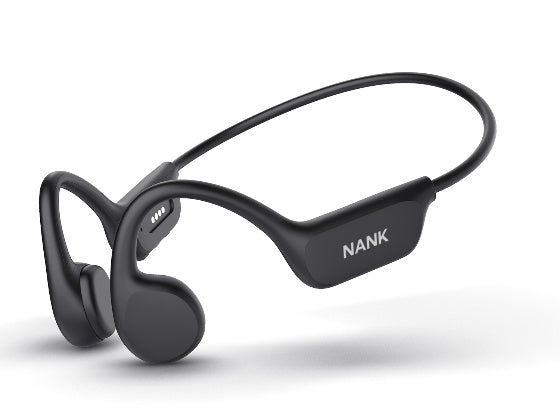


Comfortable wearing, clear sound, simple in use. Multi-pairing works better than anything else I ever used. Very happy with this. Only the AI voice sounds a bit awkward

Save 20%
Save 20%
Save 13%

Save 20%

Sold out
Sold out


Save 33%

Save 20%

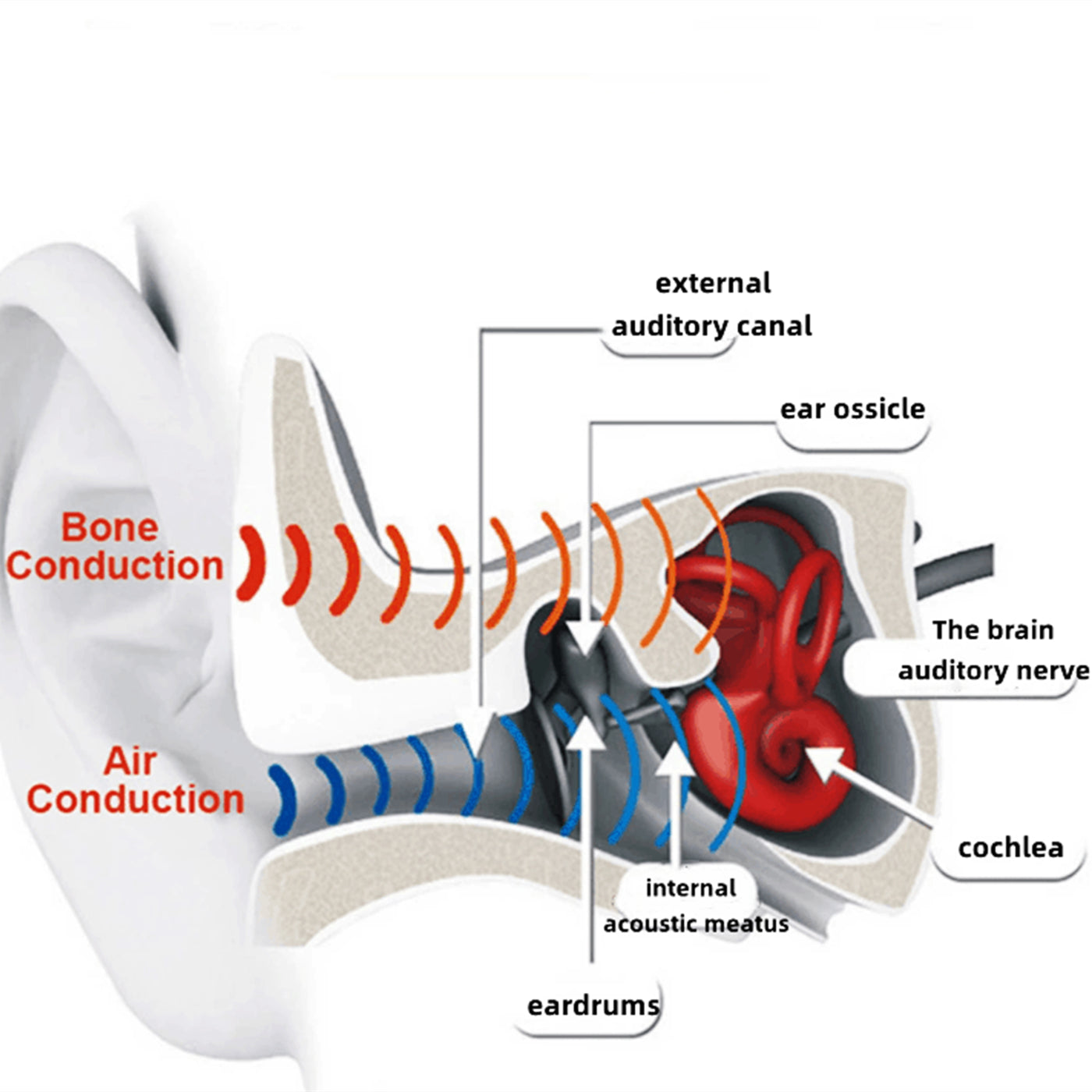
What are bone conduction headphones, and what is their underlying principle?
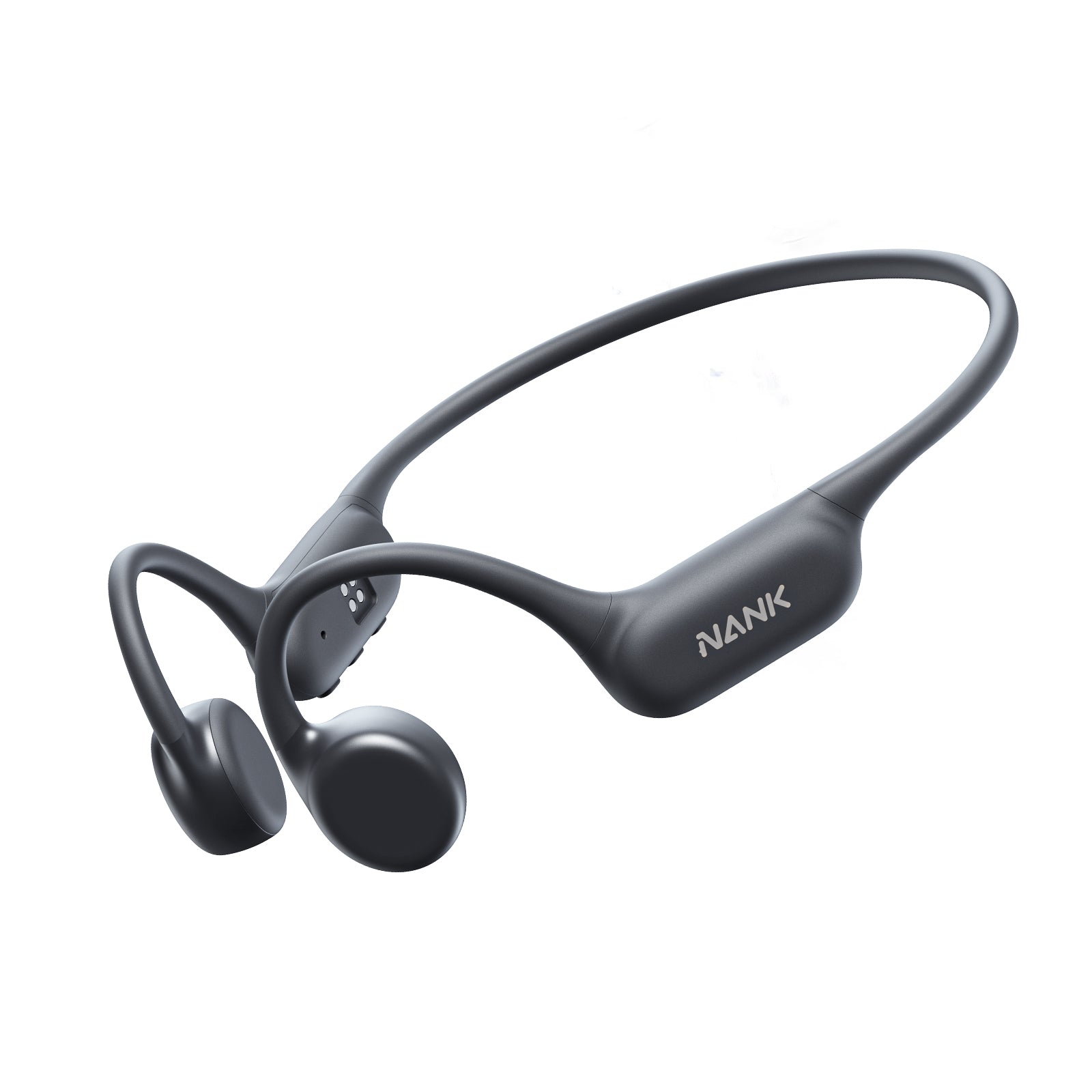
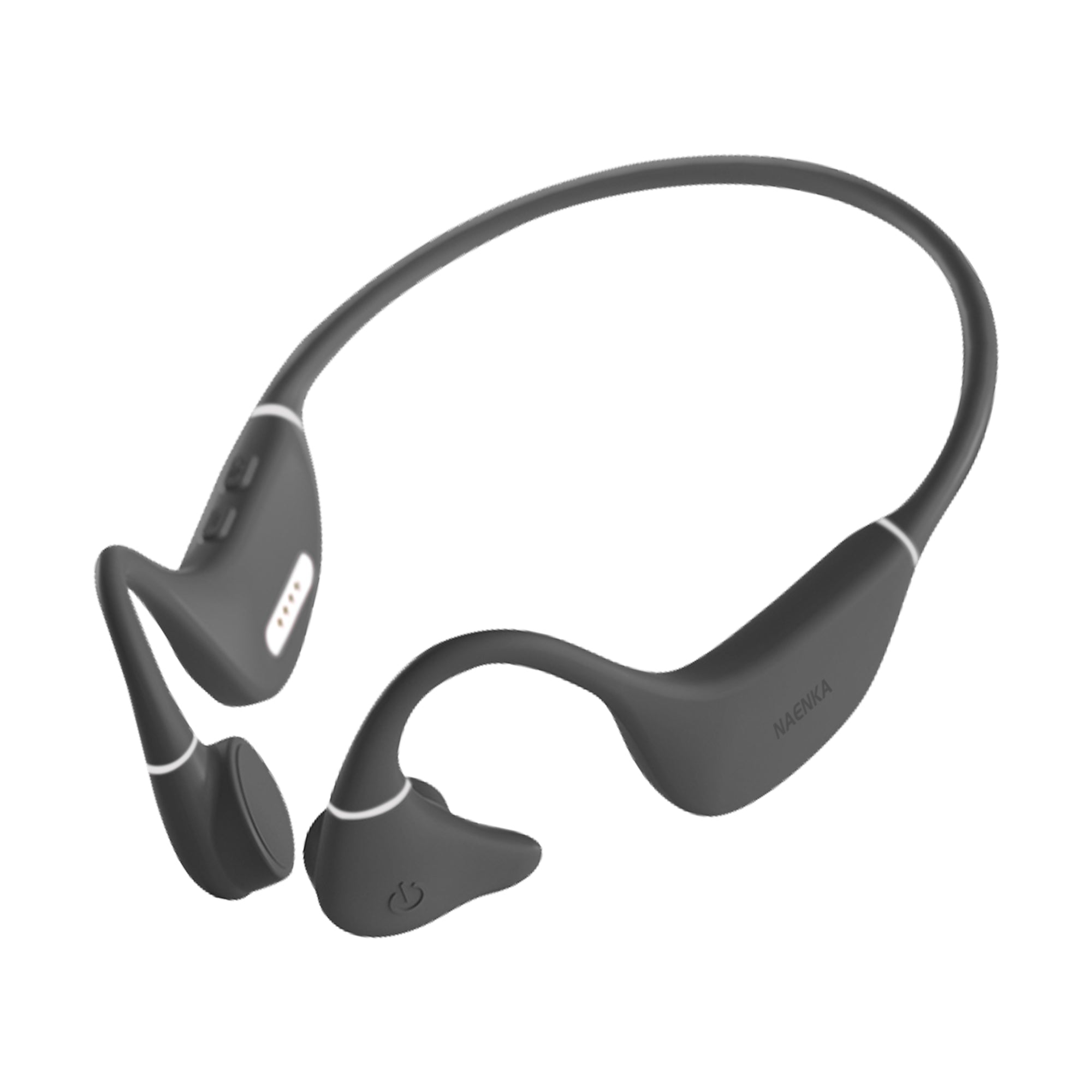
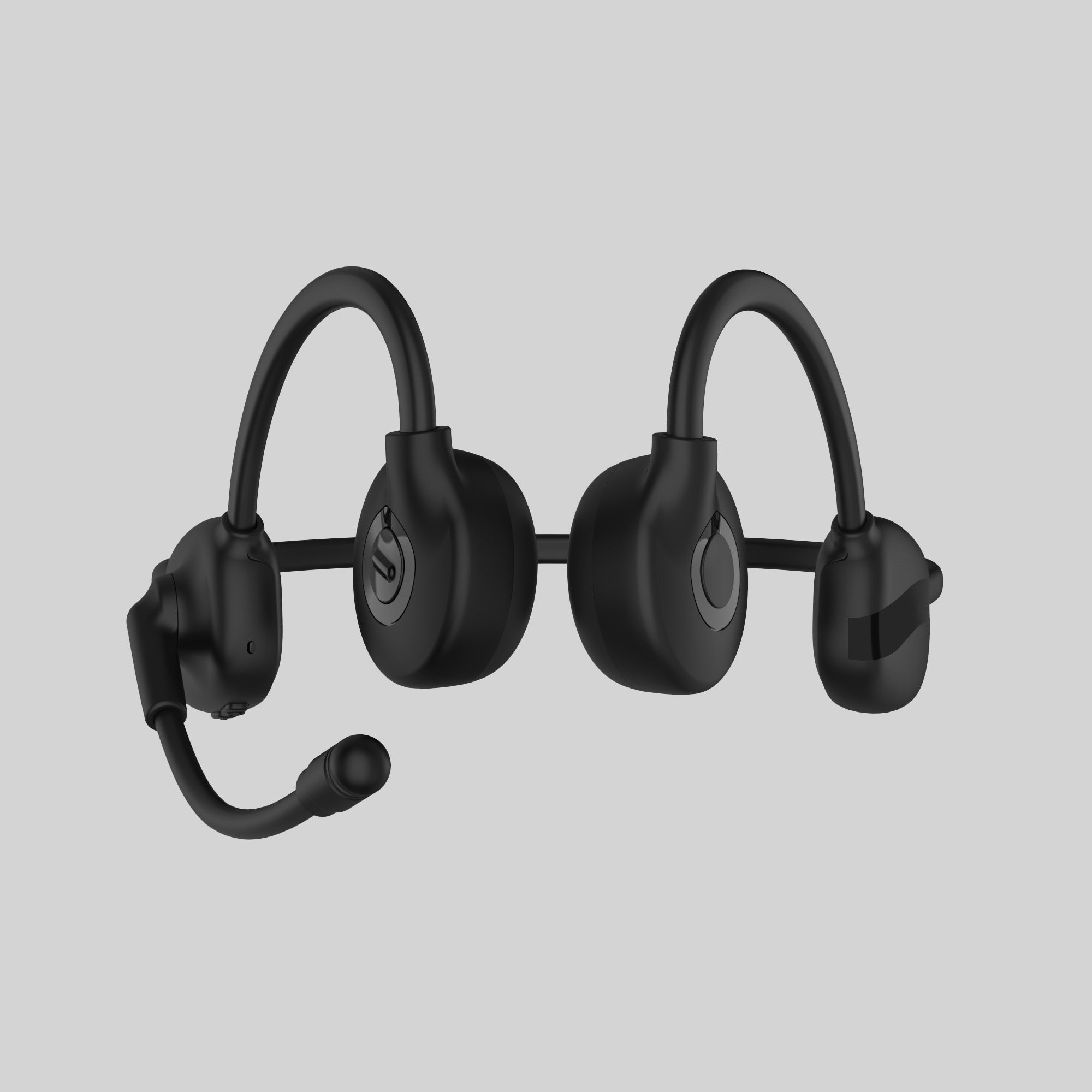
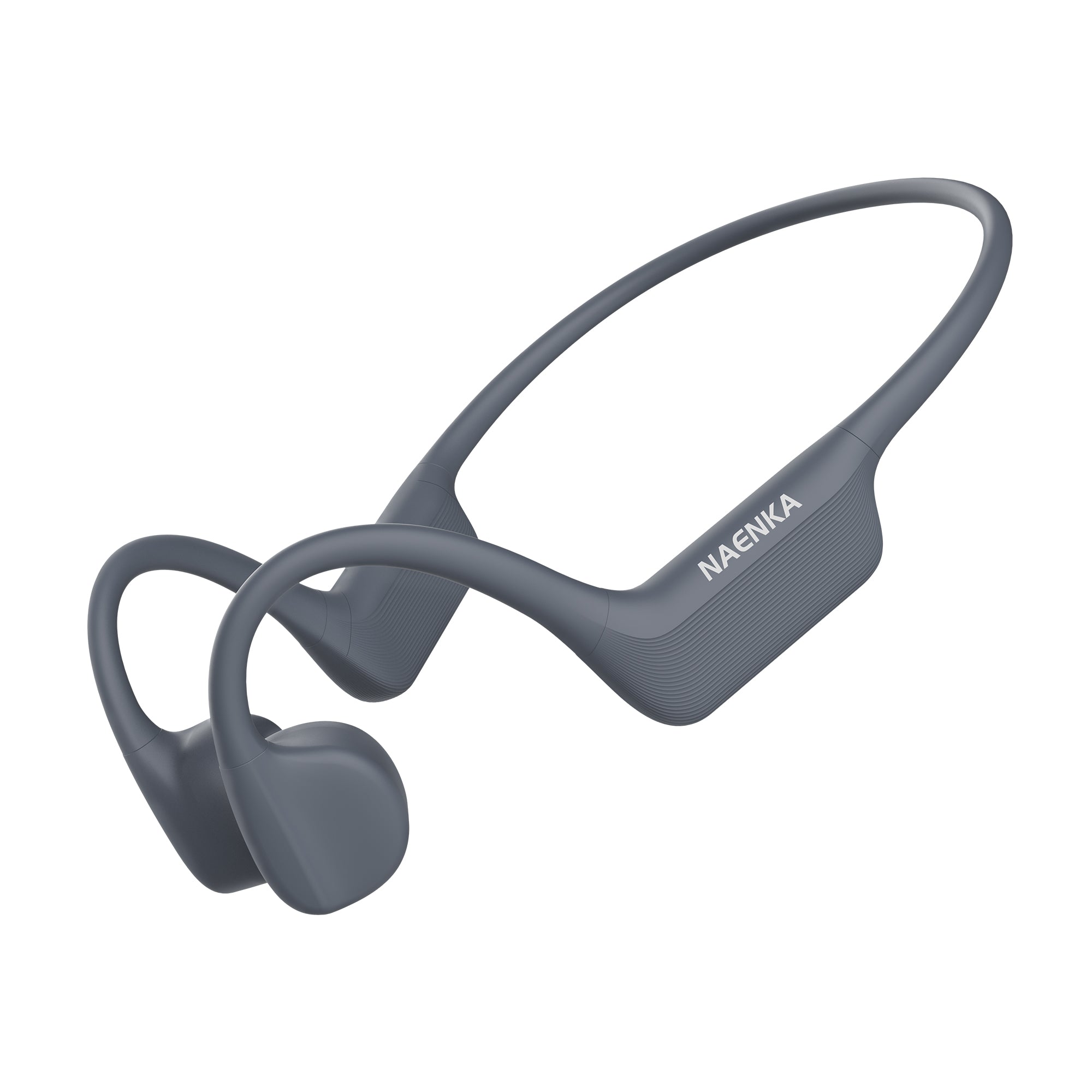
Bone conduction headphones are an emerging type of audio device. Structurally, It is composed of two vibration transducers and a housing, typically interconnected by a titanium alloy.
In comparison to traditional headphones, their primary distinction lies in the different method of sound transmission.
The working principle of bone conduction headphones involves the direct transmission of auditory vibrations through the skull. In contrast to conventional headphones, which rely on air-borne sound waves, bone conduction headphones convert audio signals into vibrations that travel through the skull and are perceived as sound by the inner ear. This approach eliminates the need for sound waves to pass through the ear canal.

How does the audio quality of bone conduction headphones compare to that of over-ear and in-ear headphones?
In terms of audio quality, bone conduction headphones offer a distinctive acoustic profile compared to traditional over-ear and in-ear models. Although their design ensures situational awareness and avoids ear canal obstruction, the indirect sound transmission mechanism might result in relatively moderate sound clarity and bass depth.
Despite these limitations, Nank established the Nank Acoustic Laboratory after years of research and development. Through meticulous headphone design and software calibration, we have successfully achieved a balance between clarity, treble, bass, and midrange, delivering exceptional audio quality in Nank headphones.

Is wearing bone conduction headphones comfortable?
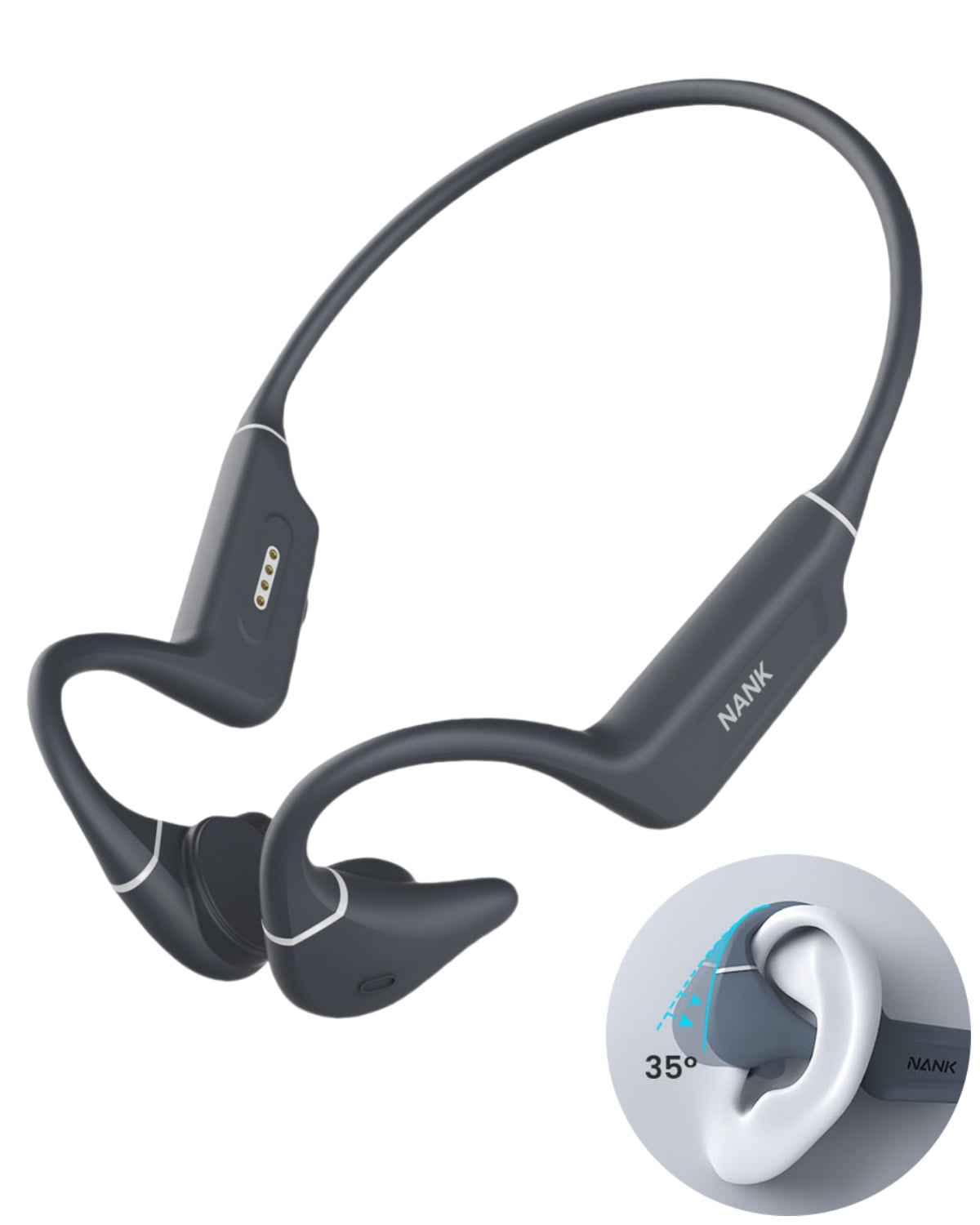
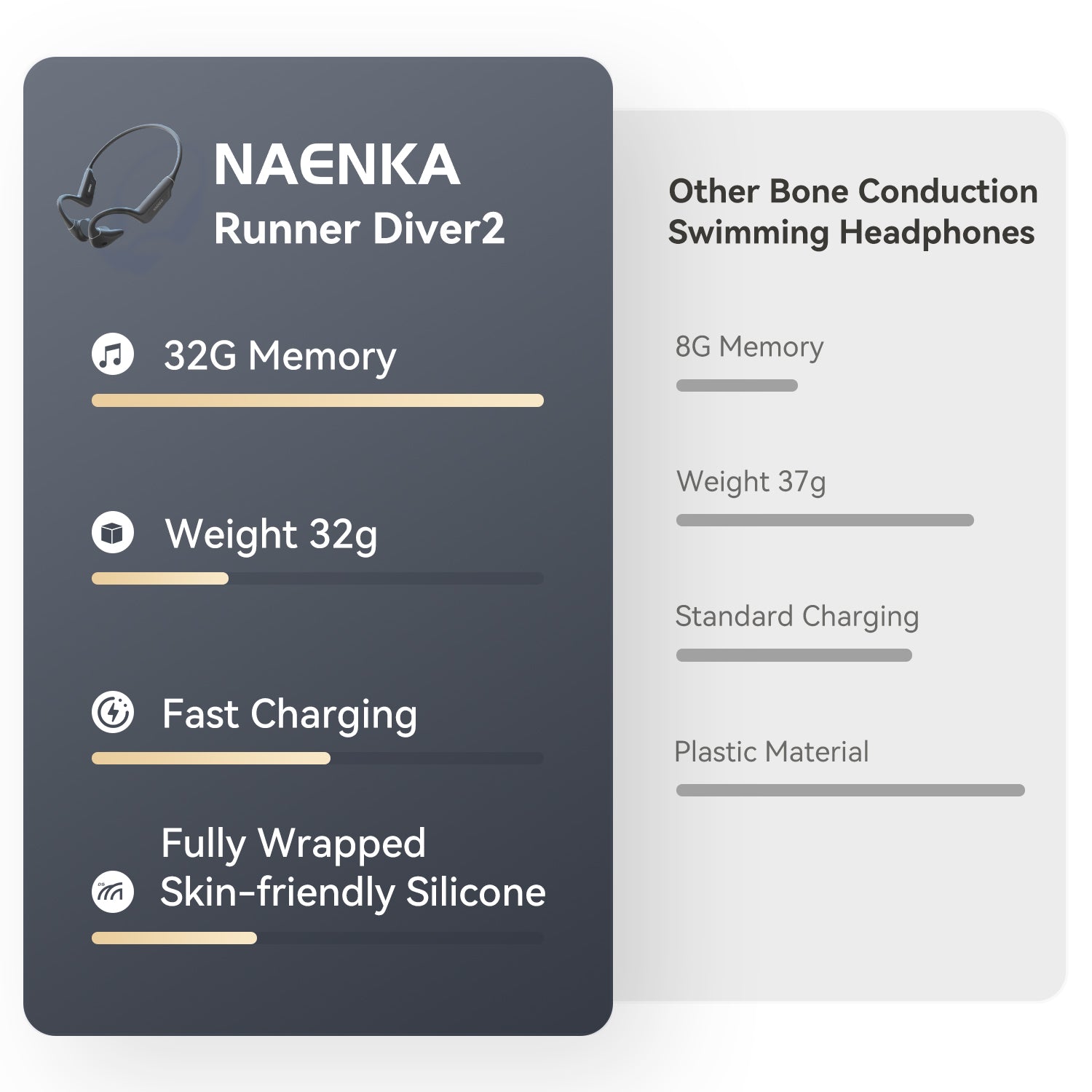
Nank product design team innovatively combines biomimetics and ergonomics, creating a headphone form suitable for most ear shapes. Additionally, the entire surface of the headphones is covered with aerospace-grade skin-friendly silicone, enhancing wearer comfort.
To accommodate various head sizes, Naenka headphones include a silicone strap in their accessories. Users can use this strap to secure the headphones more snugly to the head, thereby enhancing the overall wearing experience.
In addition, bone conduction headphones can be used perfectly with various types of glasses and helmets

Does outdoor use of bone conduction headphones expose the listener to ambient noise?
Due to their open-ear design, bone conduction headphones might be influenced by ambient noise, particularly in noisy outdoor settings. This factor could mildly affect perceived audio quality.
To address this, Nank bone conduction headphones employ two solutions:
1) Development of directional sound transmission technology, utilizing algorithms and specific internal unit structures to concentrate sound transmission, counteracting external noise interference.
2) Inclusion of a sound quality enhancer and noise-isolating earplugs as accessories to reduce external noise interference. These methods help mitigate noise interference to some extent but may not eliminate it entirely.

Can people around me hear the sound when I'm using bone conduction headphones?
Bone conduction headphones primarily direct sound vibrations to the user's inner ear, resulting in minimal sound leakage to the surrounding environment. Therefore, unless played at an exceedingly high volume, individuals nearby are unlikely to distinctly hear the audio being played through the headphones.
To address this issue, Nank team developed directional sound transmission technology, maximizing vibration concentration via the skull for auditory nerves. This technology reduces sound leakage by over 60%.