
- 1. Are Underwater Headphones Reliable?
- 2. The Short Answer
- 3. MP3 Storage vs. Bluetooth Underwater
- 4. Why Bluetooth Becomes Unreliable Underwater
- 5. What Internal Storage Gives You
- 6. Where Bluetooth Still Wins
- 7. How Bone Conduction Works Underwater
- 8. Which Headphone Shape Works Best for Lap Swimming?
- 9. What Should You Pay for Swim-Ready Audio?
- 10. How to Make Swimming Headphones Last Longer
- 11. How to Choose the Best Underwater Headphones
- 12. NANK Runner Diver2 Pro: Built for Swimming and Land Training
- 13. Underwater Headphones Compared
- 14. Conclusion
- 15. Frequently asked questions (FAQs)
Are Underwater Headphones Reliable?
The Short Answer
· Bluetooth is useful for land-based training, but it should not be treated as a dependable underwater connection.
· Built-in storage lets you leave your phone at the pool deck and play downloaded audio directly from the headphones.
· For swimming, look for a clearly stated water-resistance rating, a secure fit, physical controls, and a dedicated underwater playback mode.
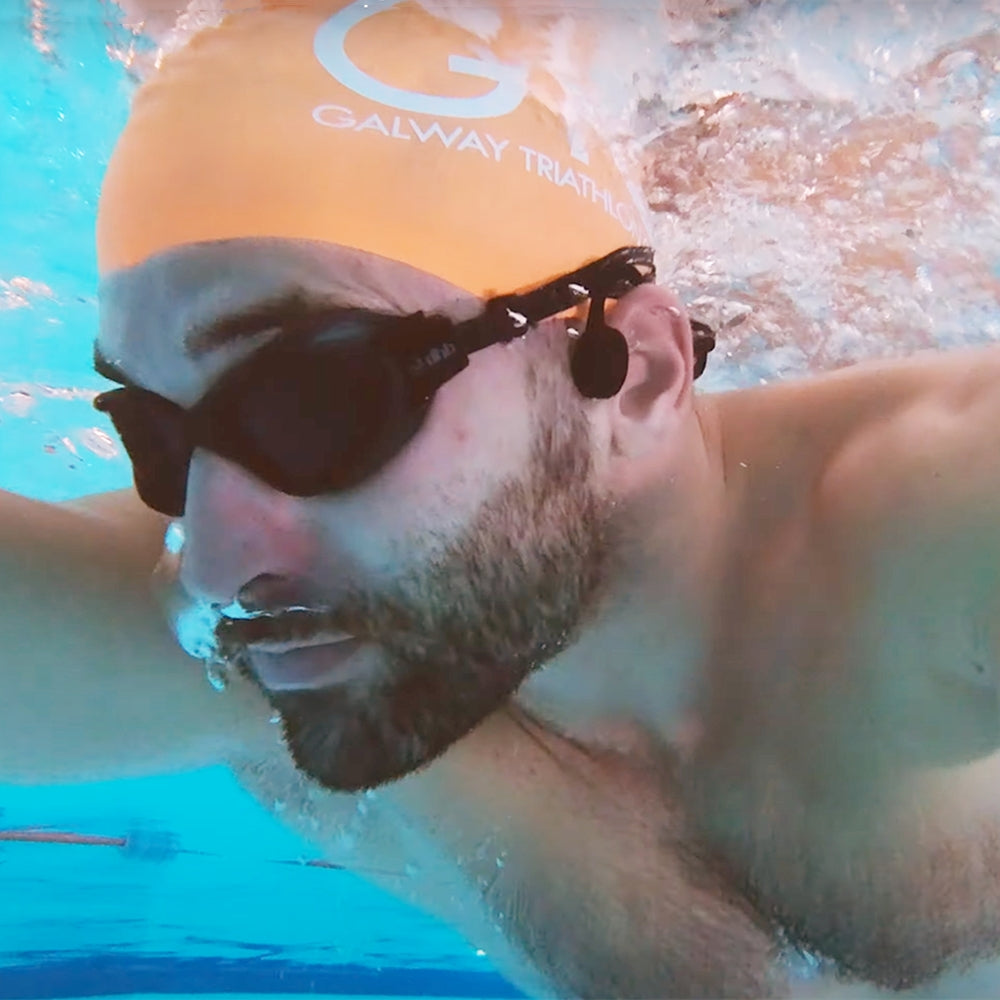
· Bone conduction headphones can be particularly practical for swimming because they transmit sound through the cheekbone rather than relying on an open ear canal.
MP3 Storage vs. Bluetooth Underwater

Bluetooth operates in the 2.4 GHz radio band, and water significantly disrupts radio transmission at this frequency. In practice, Bluetooth connections become unreliable when the headphones are submerged. This is why swim-ready headphones commonly combine waterproof construction with internal MP3 storage.
Why Bluetooth Becomes Unreliable Underwater
The key issue is radio propagation. Bluetooth uses the 2.4 GHz band, and water strongly attenuates radio-frequency signals at this range. Once the swimmer's head is submerged, the connection between a phone on the pool deck and the headphones can drop quickly. A silicone swim cap can add another barrier, while freestyle and other strokes continually change the position of the receiver relative to the transmitter.
That is why the most practical question is not 'How good is the Bluetooth version?' but 'Where will the audio source be while I am swimming?' If the source is on the pool deck, internal storage is the safer architecture. If the source is on land and your head remains above water, Bluetooth is perfectly useful.
What Internal Storage Gives You
· Phone-free playback: the headphones carry the music with you.
· Consistent underwater playback: no underwater Bluetooth link is required.
· Large libraries: 8GB is already enough for many swimmers, while 16GB or 32GB provides substantial room for playlists and podcasts.
· Flexible file support: common swim headphones support formats such as MP3, WAV, FLAC and M4A, depending on the model.
One limitation is important: ordinary music files must be transferred to the headphones before swimming. Streaming services are not the same as local audio files. Some products offer special features that can capture or transfer supported streaming audio for offline playback, but users should follow the specific manufacturer's instructions and licensing rules rather than assuming a Spotify stream can simply be copied as an MP3 file.
Where Bluetooth Still Wins
· Running, cycling and gym workouts
· Listening at the pool deck
· Taking calls or using apps while on land
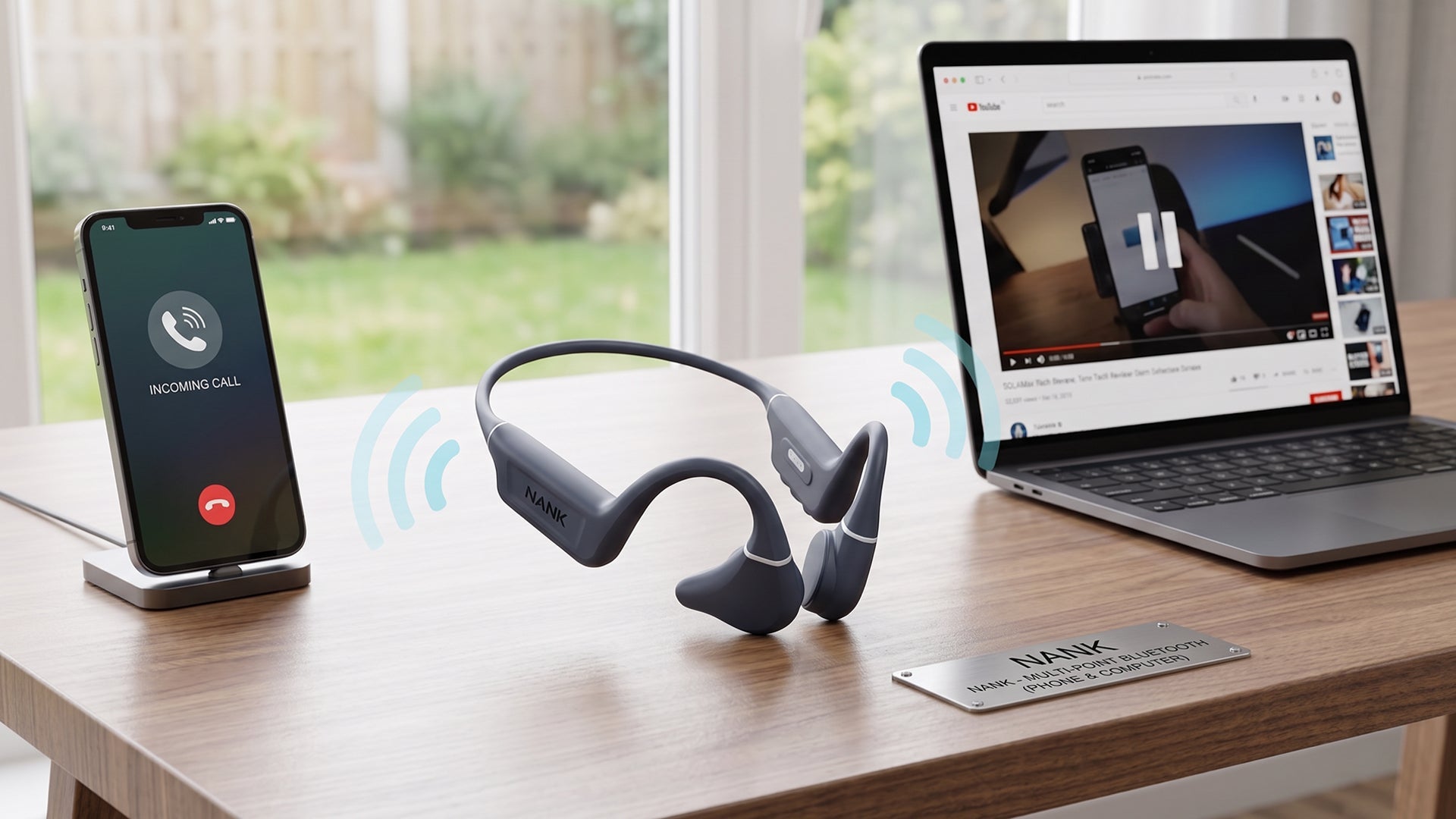
· Streaming directly from a phone or smartwatch when the headphones are above water
This is why a hybrid swim headphone can be more useful than a storage-only model for athletes who cross-train. The same pair can provide wireless convenience on land and internal playback in the pool.
How Bone Conduction Works Underwater
Bone conduction headphones place transducers near the cheekbones. Instead of pushing sound through the air and ear canal like conventional earbuds, they create vibrations that travel through bone to the inner ear. This open-ear approach also leaves the ear canal unobstructed.
For swimming, bone conduction has another practical advantage: the design does not depend on a sealed earbud sitting inside the ear canal. Many swimming models can therefore combine an open-ear form factor with internal storage and a waterproof housing.
There is a trade-off. Bone conduction generally does not reproduce deep bass in the same way as a sealed in-ear driver. For swimmers, however, the benefits of a secure, open-ear design and reliable underwater playback may matter more than maximum low-frequency performance.
Which Headphone Shape Works Best for Lap Swimming?

In-ear waterproof headphones: Can provide strong isolation, but water in the ear canal and long-term sealing requirements can affect comfort and reliability.
True wireless earbuds: Not ideal for dedicated swimming when each earbud depends on wireless communication and the water disrupts radio signals.
Open-ear bone conduction headphones: A practical choice for swimmers who want a secure fit, internal storage and awareness of their surroundings above water.
Over-ear headphones: Bulky and difficult to keep secure underwater; generally unsuitable for lap swimming.
What Should You Pay for Swim-Ready Audio?
Price should be evaluated alongside storage, water protection, battery life, fit and the quality of the swimming experience. A lower-priced model can be a good choice if it meets your needs, while a premium model may justify its price with larger storage, better controls, stronger construction or better land-use features.
Rather than choosing solely by IP number, check the manufacturer's stated immersion conditions and intended use. For example, Shokz lists OpenSwim Pro as IP68 and suitable for submersion up to 2 meters in controlled conditions, while H2O Audio lists its SONAR 2 PRO as IPX8 and designed for submersion to 3.6 meters. NANK lists the Runner Diver2 Pro as IP69.
How to Make Swimming Headphones Last Longer
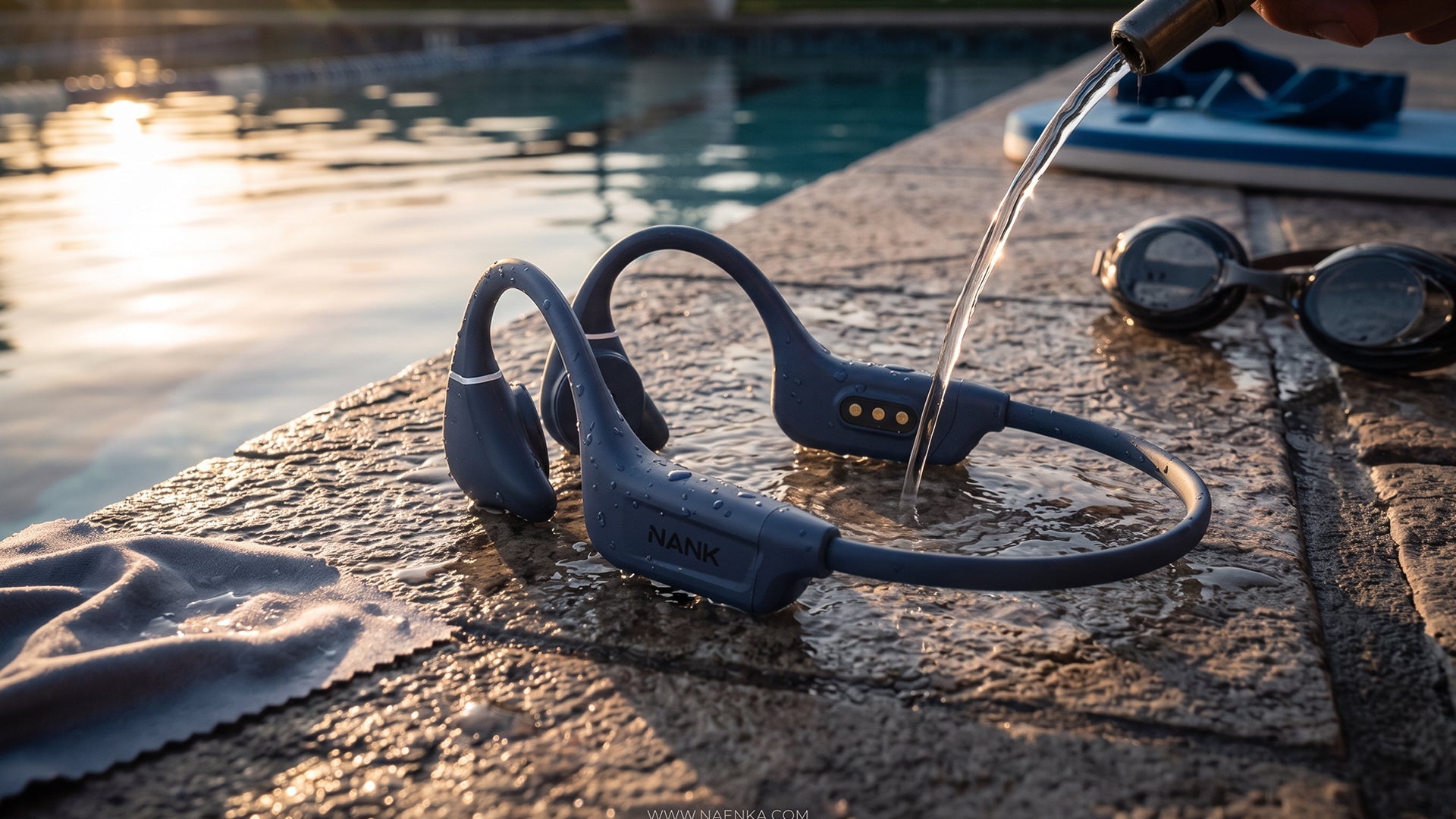
· Rinse the headphones with fresh water after swimming, especially after saltwater or chlorinated-water use.
· Do not charge the headphones while the charging contacts are wet.
· Dry the charging area before storing or charging the device.
· Avoid unnecessary exposure to soaps, solvents, sunscreen and other chemicals.
· Follow the manufacturer's stated depth and immersion limits.
· Use the included swimming earplugs when the product is designed to work with them; they can improve clarity by reducing water and ambient sound reaching the ear.
How to Choose the Best Underwater Headphones
· Swimming frequency: occasional swimmer or daily training?
· Underwater playback: does the product have internal storage and a dedicated MP3/TF mode?
· Storage: 8GB can be enough for many users; 16GB or 32GB is better for larger libraries.
· Water protection: check the exact rating and manufacturer-stated immersion conditions.
· Fit: look for a secure headband or ear-hook system that stays in place during flip turns.
· Controls: physical buttons are usually easier to operate with wet hands.
· Cross-training: if you also run or cycle, Bluetooth support can make a hybrid model more versatile.
NANK Runner Diver2 Pro: Built for Swimming and Land Training
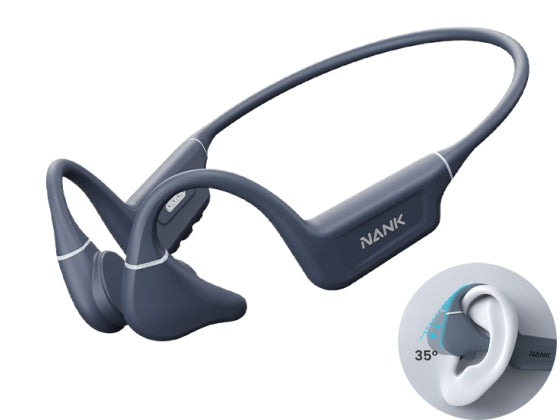
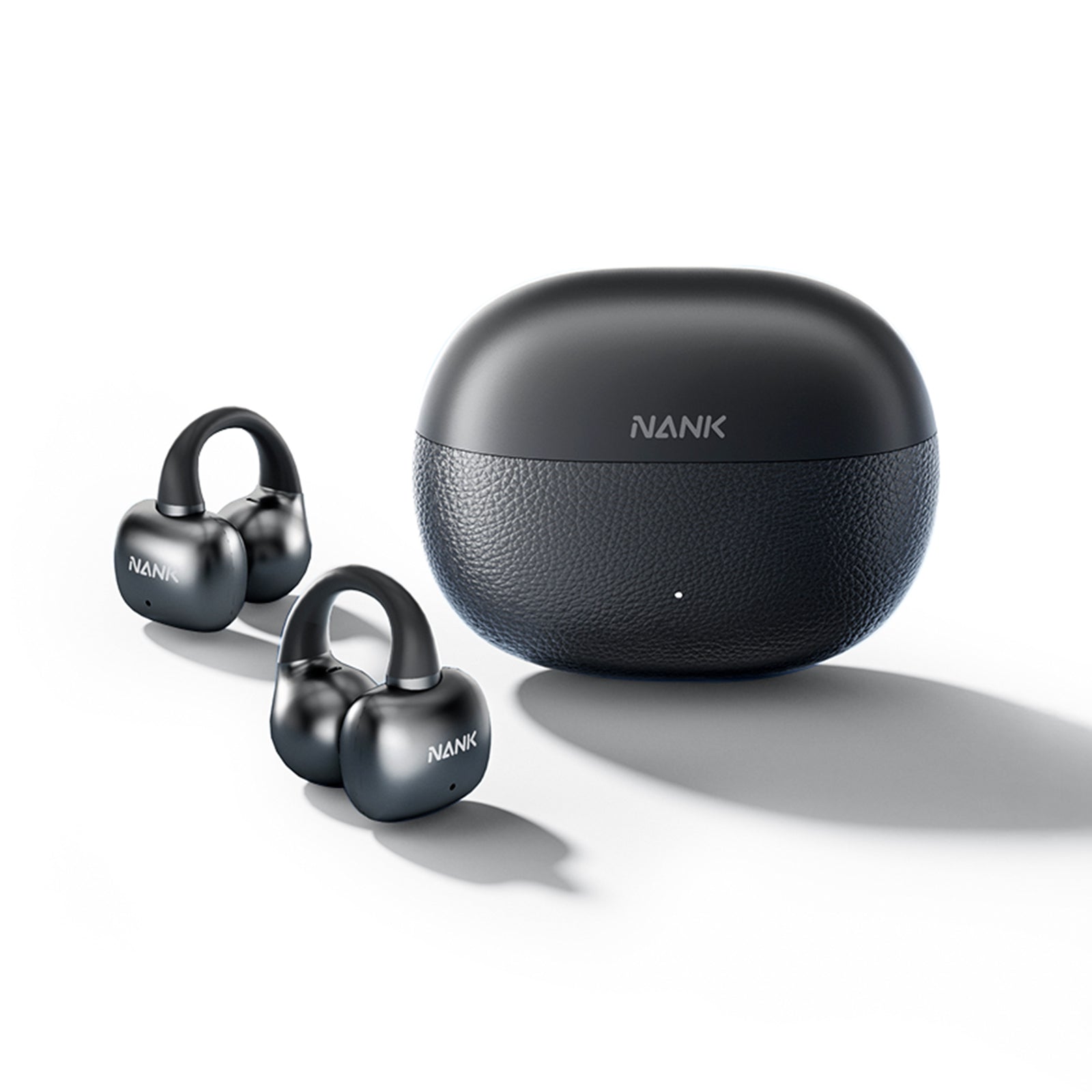
The NANK Runner Diver2 Pro is designed around the same principle: use Bluetooth when you are on land and switch to internal storage when you are in the water. NANK lists IP69 water resistance, Bluetooth 5.4, 32GB of internal storage, up to 10 hours of playback, and a 32g open-ear bone-conduction design.

For swimming, the important feature is not simply the Bluetooth version. The Runner Diver2 Pro's TF/MP3 mode allows music files to be stored on the headphones, so your phone does not need to maintain a connection while your head is underwater.
· IP69 water resistance
· 32GB internal MP3 storage
· Bluetooth 5.4 for land use
· Up to 10 hours of playback
· 32g open-ear bone-conduction design
· 35° adjustable ear-hook design
· Included swimming earplugs and sound-quality enhancers
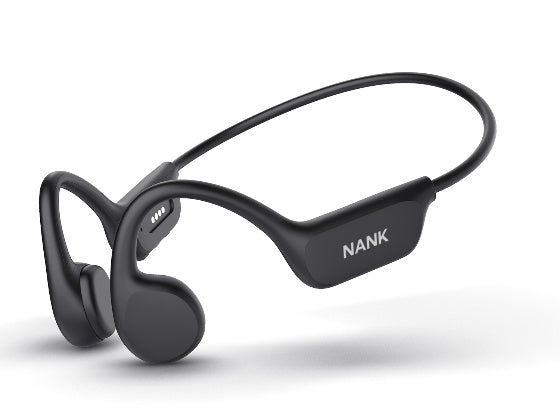
NANK also offers the Runner 4 as a lighter, more affordable alternative. The Runner 4 is listed with Bluetooth 5.4, IP68 water resistance, 16GB MP3 storage, up to 8 hours of playback, and a 26g weight. That makes it a useful option for swimmers and athletes who want internal storage without moving to the Diver2 Pro's larger storage capacity.
Underwater Headphones Compared
| Model | Water Resistance | Storage | Modes | Battery | Best For |
| NANK Runner Diver2 Pro | IP69,up to 10m | 32GB | Bluetooth 5.4 / TF-MP3 | Up to 10h | Swimming + multi-sport |
| Shokz OpenSwim Pro | IP68, up to 2m | 32GB | Bluetooth / MP3 | 9h BT / 6h MP3 | Swimming + land use |
| H2O Audio SONAR 2 PRO | IPX8, 3.6m | 8GB | Bluetooth / MP3 / Playlist+ | Up to 10h | Swimming + stored streaming audio |
Conclusion
Reliable underwater audio is less about marketing claims and more about matching the technology to the environment. Bluetooth is excellent for land-based training, but it is not the connection to depend on when your head is underwater. For swimmers, built-in audio storage removes the need for a continuous underwater radio link.
Bone conduction, a secure open-ear design, physical controls and appropriate water protection can make the experience more practical. For athletes who swim and also train on land, a dual-mode model offers the best of both worlds. Please visit NANK today to explore premium waterproof audio gear engineered for your most demanding swimming routines.
Can Bluetooth headphones work underwater?
Bluetooth can become unreliable underwater because water strongly attenuates 2.4 GHz radio signals. For uninterrupted swimming, use a headphone mode that plays audio from internal storage.
Can you listen to Spotify while swimming?
You cannot rely on a normal Bluetooth stream from a phone on the pool deck. Some products provide manufacturer-specific ways to prepare supported audio for offline playback. Follow the product's instructions and the service's licensing rules.
Do swimming headphones need MP3 storage?
If you want reliable music while your head is underwater and your phone remains on land, internal storage is one of the most practical solutions.
How much storage do I need for swimming headphones?
For most swimmers, 8GB can provide plenty of music. If you keep large playlists, podcasts or audiobooks on the device, 16GB or 32GB provides more flexibility.
Are bone conduction headphones good for swimming?
They can be. Bone conduction leaves the ear canal open and can be paired with internal storage and waterproof construction. The main trade-off is that bass reproduction is generally different from sealed earbuds.
How do I transfer music to underwater headphones?
Most models use a USB or magnetic charging/data cable. Connect the headphones to a computer, then copy supported audio files to the device according to the manufacturer's instructions.
Can swimming headphones also be used for running?
Yes. Hybrid models with Bluetooth can be used wirelessly on land while switching to internal storage for swimming.